
10 Easy Workouts for Busy People: Simple Exercises to Stay Fit for Beginners
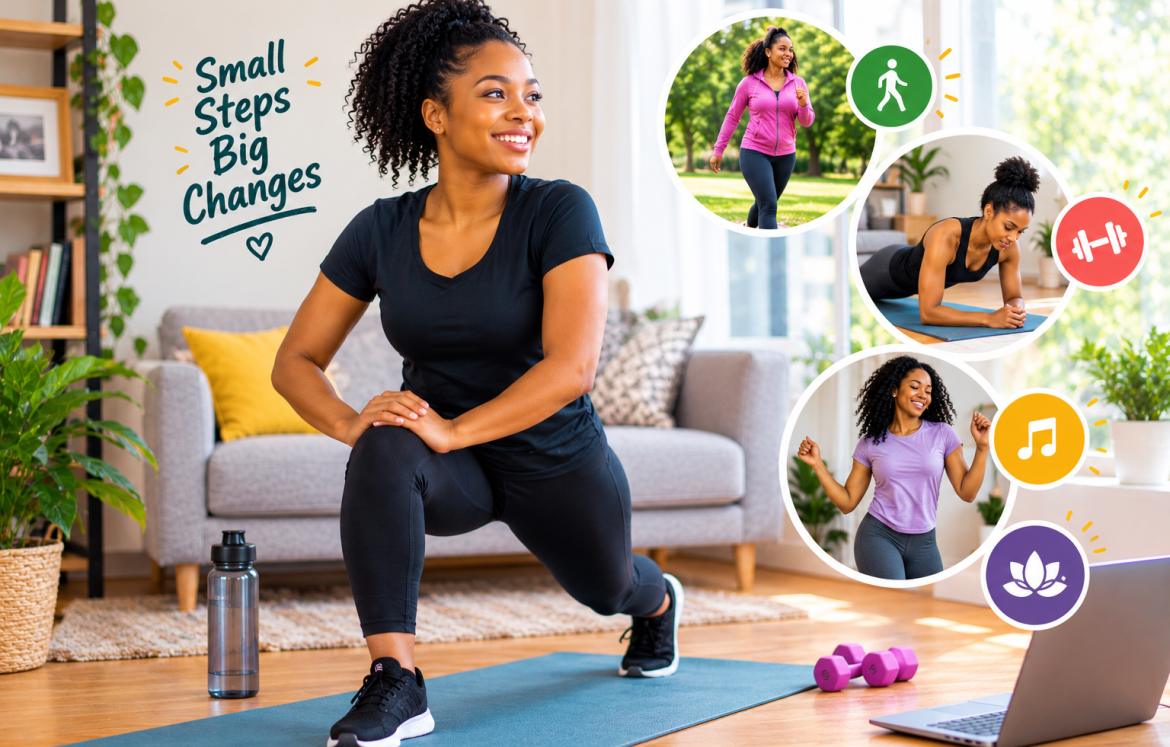
Let’s be honest. Finding time to exercise can be difficult, especially when life seems to have something planned for every minute of the day. Between going to work, taking care of the family, managing household responsibilities, running a business, and trying to meet personal goals, exercise can easily become one of those things we keep postponing.
Maybe you have promised yourself that you will start working out every Monday. Then Monday comes, and something unexpected happens. Before you realize it, another week has passed without doing anything for your fitness. If this sounds familiar, I want you to understand something: you do not need to spend two hours in the gym every day to become more physically active.
One of the biggest mistakes beginners make is believing that exercise must be intense, complicated, or time-consuming to be effective. The truth is that simple activities such as walking, stretching, squatting, dancing, and doing a few bodyweight exercises can help you build a healthier and more active lifestyle. What matters is finding a routine that fits your schedule and gradually making movement part of your everyday life.
So watch out for beginner-friendly workouts for busy people on this space, including exercises you can do at home without expensive equipment. I will also explain how to organize your workout routine, stay motivated, and make fitness easier to maintain, even when you have very little free time. My goal is simple: to help you stop waiting for the perfect time to exercise and start making small, realistic changes today.
Why Exercise Matters, Even When You Have a Busy Schedule
Exercise is not only about losing weight or achieving a particular body shape. It is also about supporting your overall health and improving how you feel. Regular physical activity can help strengthen your muscles and bones, support heart health, improve sleep, and contribute to better mental well-being. It can also help you maintain mobility and make everyday activities easier. Think about how much physical effort you use throughout the day. You may climb stairs, carry shopping bags, walk to work, clean your home, or run errands.
Increasing your level of fitness can help you feel more in control of these routine tasks. Adults should strive for at least 150–300 minutes of moderate-intensity aerobic activity each week, or an equivalent amount of intense activity, according to the World Health Organization. On at least two days a week, adults should engage in muscle-strengthening exercises involving their main muscle groups.
However, if you are a beginner, these recommendations should be a goal to work towards rather than a reason to feel discouraged. You can start with just 10 minutes of movement and gradually increase your activity as your fitness improves. The important thing is to begin at a level that feels comfortable and safe for you.
10 Beginner-Friendly Workouts for Busy People
You do not need a gym membership or expensive fitness equipment to get started. Many effective beginner exercises use your own body weight.
Here are 10 simple workouts you can include in your routine.
1. Walking: The Easiest Way to Get Started
If I had to recommend one exercise for someone who has never followed a fitness routine, walking would be high on my list. It is simple, affordable, and does not require special equipment beyond comfortable footwear.
Walking can help improve cardiovascular fitness, support weight management, and give you an opportunity to clear your mind.

You do not need to walk for an hour before you can benefit from it. Start with 10 or 15 minutes and gradually increase the duration.
You can walk around your neighborhood, take a short walk during lunch, or get off public transport a little earlier when it is safe and practical. If you work from home, consider walking around your compound or taking short movement breaks between tasks.
Walking is a particularly good starting point because you can easily adjust the duration and intensity to suit your fitness level.
2. Bodyweight Squats: Strengthens Your Lower Body
Squats are useful for strengthening the muscles in your thighs, hips, and buttocks.
They also help develop strength for everyday movements such as sitting down, standing up, and climbing stairs.
You do not need weights to begin. Your body weight is enough for a beginner routine.
How to do it:
- Stand with your feet approximately shoulder-width apart.
- Keep your chest lifted and your back in a comfortable neutral position.
- Slowly bend your knees and push your hips backwards as if sitting on a chair.
- Lower yourself only as far as feels comfortable.
- Push through your feet to return to a standing position.
Start with 8-10 repetitions.
If regular squats feel difficult, practice sitting down on a sturdy chair and standing up again.
Do not rush the movement. Focus on control and good technique.
3. Wall Push-Ups: Builds Upper-Body Strength
Traditional push-ups can feel challenging when you are just starting your fitness journey; that is why wall push-ups are a useful alternative.
They help strengthen the chest, shoulders, and arms while allowing you to control how much effort you use.
- Stand facing a wall.
- Place your palms against the wall at shoulder height.
- Take a small step backwards.
- Slowly bend your elbows and move your chest towards the wall.
- Push gently against the wall until your arms straighten.
Try 8-12 repetitions, and as your strength improves, you can experiment with incline push-ups using a sturdy, stable surface. The goal is to build strength gradually rather than force yourself into difficult movements too soon.
4. Marching in Place: Gets Your Heart Moving
Not everyone has access to a safe outdoor walking space. Sometimes, the weather is unfavorable, or you simply do not have enough time to leave the house.
Marching in place is a convenient alternative.
It raises your heart rate and helps you become more active without needing much space.
- Stand upright with your feet comfortably apart.
- Lift one knee towards your waist as far as feels comfortable.
- Lower that foot and lift the opposite knee.
- Continue alternating between both legs.
- Swing your arms naturally.
Try marching for 30-60 seconds; you can repeat this movement two or three times, depending on your fitness level. If you find it difficult to lift your knees high, use smaller movements.
5. Glute Bridges: Strengthens Your Hips and Buttocks
Glute bridges are simple floor exercises that target the muscles around your hips and buttocks.
They also involve your core muscles and can help improve lower-body strength.
Steps to do it:
- Lie on your back on an exercise mat.
- Bend your knees and place your feet flat on the floor.
- Keep your arms relaxed beside your body.
- Tighten your abdominal muscles gently.
- Lift your hips towards the ceiling without excessively arching your back.
- Pause briefly and lower your hips slowly.
Start with 8-12 repetitions, and move slowly and avoid pushing through pain. If getting down to the floor or standing back up is difficult, choose another exercise that feels more suitable.
6. Standing Knee Raises: Improves Movement and Coordination
Standing knee raises are another exercise you can perform without any equipment. They help to engage your abdominal and hip muscles while encouraging coordination and movement.
- Stand upright with your feet apart.
- Lift your right knee towards your waist.
- Lower it slowly.
- Repeat with your left knee.
- Continue alternating.
Try 10 repetitions on each side. If you need additional support, stand near a wall or sturdy chair; you can also make the movement more energetic by adding gentle arm movements.
7. Plank: Strengthens Your Core
Your core muscles help support your body during many everyday activities. Planks are useful for developing core strength, although beginners should start with easier ones.
- Place your forearms on an exercise mat.
- Extend your legs behind you.
- Keep your body aligned from your shoulders towards your heels.
- Gently tighten your abdominal muscles.
- Hold the position while breathing normally.
Start with 10-15 seconds, but if a full plank is too difficult, try a knee plank by keeping your knees on the mat. Avoid allowing your lower back to sag; stop if you experience pain.
8. Dancing: Makes Exercise Enjoyable
Who says exercise must always feel like hard work? Dancing is one of the most enjoyable ways to get your body moving. You can dance to your favorite music in your living room, follow a beginner dance workout online, or simply move around while doing household activities.
Dancing can raise your heart rate, improve coordination, and help you feel more energetic. I particularly like this option for people who find traditional workouts boring. You don’t need to know hard or complicated dance steps or have perfect rhythm. The best thing that can happen is that you can enjoy yourself while getting some physical activity.
9. Lunges: Improves Lower-Body Strength
Lunges are useful for strengthening the legs and improving balance.
However, they can be challenging for complete beginners, so start with a supported or stationary version.
How to do it:
- Stand upright with your feet apart.
- Step one foot backwards.
- Bend both knees slightly while keeping your upper body upright.
- Lower yourself only as far as comfortable.
- Push through your feet to return to the starting position.
- Repeat with the opposite leg.
Start with 5-8 repetitions on each side. If you struggle with balance, hold onto a stable support. You can also begin with smaller movements before attempting deeper lunges.
10. Stretching: Gives Your Body Time to Relax
Stretching is often overlooked because people focus more on exercises that make them sweat. However, gentle stretching can help maintain flexibility and make movement more comfortable.
It can be especially useful if you spend long hours sitting at a desk or working on a computer.
Some simple stretches include:
- Shoulder rolls.
- Gentle neck movements.
- Standing side stretches.
- Calf stretches.
- Gentle hamstring stretches.
Hold each comfortable stretch for approximately 10-30 seconds without bouncing. Avoid forcing your body into uncomfortable positions. Stretching should create a gentle pulling sensation, not sharp pain.
A Simple 15-Minute Home Workout for Beginners
If you are wondering how to combine these exercises into a practical routine, here is an example. You can do this workout at home without expensive equipment.
Total time: Approximately 15 minutes
| Exercise | Duration or repetitions |
|---|---|
| Marching in place | 2 minutes |
| Bodyweight squats | 10 repetitions |
| Wall push-ups | 10 repetitions |
| Glute bridges | 10 repetitions |
| Standing knee raises | 1 minute |
| Gentle stretching | 3 minutes |
Give yourself some time to regain your breath in between workouts. Take longer breaks if necessary. If you have more time and feel comfortable, you can do the strength exercises again.
Keep in mind that this is not a test, but rather an example routine. You shouldn’t feel compelled to finish it in order to stay up with anyone else. If you’ve never worked out before, start with fewer repetitions and work your way up.
A Realistic 7-Day Workout Schedule for Busy People
One of the easiest ways to remain consistent is to know what you intend to do before the week begins. You do not need to exercise intensely every day. A balanced schedule can include strength training, aerobic activity, and recovery.
Here is a simple weekly example.
| Day | Workout | Time |
|---|---|---|
| Monday | Walking and stretching | 15 minutes |
| Tuesday | Squats, wall push-ups and glute bridges | 15 minutes |
| Wednesday | Dancing or brisk walking | 15–20 minutes |
| Thursday | Gentle stretching and mobility | 10 minutes |
| Friday | Beginner full-body workout | 15–20 minutes |
| Saturday | Outdoor walking or cycling | 20–30 minutes |
| Sunday | Rest or gentle movement | Optional |
This routine is designed as a starting point. You can increase the duration gradually as your fitness improves.
If you already walk regularly or have an active job, you may need to adjust your schedule to account for your existing activity. The goal is to create a routine that fits your life rather than making exercise another source of stress.
How to Find Time to Exercise When Life Gets Busy
I am aware that having a fitness regimen does not guaranty that you will have the time to stick to it. Even the greatest of intentions might be hampered by unforeseen obligations, work deadlines, family obligations, and fatigue.
Here are some practical ways to make exercise easier to fit into your daily routine.
1. Exercise Early in the Morning
If your mornings are relatively predictable, try exercising before your day becomes busy.
You do not have to wake up extremely early. Even 10 minutes of stretching, walking, or bodyweight exercises can help you start moving.
However, do not sacrifice your sleep just to exercise in the morning.
2. Use Your Lunch Break
Consider taking a little stroll during a part of your lunch break if you work from home. After extended durations of sitting, you can also perform mild stretches. A lazy workweek can be broken up with a little exercise.
3. Exercise While Watching Television
Instead of spending your entire evening sitting down, try gentle exercises during a television programme. You could march in place, perform standing knee raises, or stretch during the adverts. This is a simple way to make use of time you already spend at home.
4. Break Your Workout Into Smaller Sessions
You do not have to complete all your exercise in one session. If you cannot find 20 minutes at once, try two 10-minute sessions. For example, you could walk for 10 minutes in the morning and do another 10 minutes of movement in the evening. Short sessions can add up and make physical activity easier to fit into your schedule.
5. Make Movement Part of Your Daily Activities
Look for opportunities to move during ordinary activities. You could walk while taking a phone call, use the stairs when appropriate, or take short breaks from sitting. These activities may not replace every structured workout, but they can help you become less sedentary.
Common Workout Mistakes Beginners Should Avoid
Starting a fitness journey is exciting, but it is important not to let enthusiasm push you into unhealthy habits.
Here are some mistakes I would encourage you to avoid.
1. Doing too much too soon.
You may feel motivated to exercise every day for an hour when you start at first. However, your body needs time to adapt to your routine. You ca begin with manageable sessions and increase gradually.
2. Ignoring proper workout techniques.
Doing an exercise incorrectly can increase the risk of injury. Learn the basic movement patterns and prioritise control over speed.
3. Comparing yourself with experienced people.
Someone who has been exercising for years will naturally have different abilities from a beginner. Focus on your own progress.
4. Skipping warm-ups.
Begin with a few minutes of gentle movement to prepare your body for the exercise. This could include marching in place, shoulder rolls, and easy movements.
5. Forgetting recovery.
Rest is an important part of fitness. Your muscles need time to recover, especially after strength training.
6. Exercising without considering your health.
If you have a medical condition, previous injury, balance problems, or have been inactive for a long time and are unsure where to begin, speak with a healthcare professional about suitable activities. Stop exercising if you experience chest pain, faintness, severe dizziness, or unusual shortness of breath, and seek appropriate medical attention.
What Do You Need for a Beginner Home Workout?
One advantage of home workouts is that you can begin without buying a lot of equipment.
Here are a few useful items:
- Comfortable workout clothes: Choose clothing that allows you to move freely.
- Supportive footwear: Useful for walking, dancing, and other standing exercises.
- Exercise mat: Provides a more comfortable surface for floor exercises.
- Water bottle: Helps you stay hydrated.
- Towel: Useful for wiping away sweat.
- A sturdy chair: Can support beginner exercises such as chair squats and supported movements.
You can add resistance bands or light dumbbells later if you want to develop your strength training routine. Don’t feel pressured to purchase everything before you begin.
How to Stay Motivated and Consistent With Exercise
It is not easy to stay motivativated after starting. Some days you may feel excited to exercise, while other days you would rather remain in bed or spend your free time doing something else. I believe the secret is to stop depending entirely on motivation and create habits that are realistic enough to maintain.
Here are some things that can help.
Set small goals. Instead of promising yourself that you will exercise every day, begin with three easy sessions each week.
Choose exercises you enjoy. If you dislike running, try walking or dancing. Fitness should not feel like punishment.
Track your progress. Write down your workout days, exercise duration, and improvements. Seeing your progress can encourage you to continue.
Find an accountability partner. Exercising with a friend or family member can make the experience more enjoyable.
Prepare ahead. Keep your workout clothes and water bottle ready so you have fewer reasons to postpone exercise.
Celebrate small achievements. Completing your first week of workouts is worth recognising, even if each session lasted only 10 minutes.
Most importantly, do not give up because you missed a day. One missed workout does not cancel your progress.
Simply return to your routine when you are ready.
Start Small, Stay Consistent, and Give Yourself Time
You don’t need to spend hours at the gym or drastically alter your lifestyle to get in shape. Simple workouts like walking, squatting, stretching, dancing, and marching in place are good places to start. The most crucial thing is to select activities that fit comfortably into your daily routine and are appropriate for your current level of fitness.
I want to urge you to reevaluate what it means to start exercising if you have been putting it off because you are too busy. A flawless morning, pricey equipment, and an intricate exercise regimen are not necessary. You can start today with ten minutes, maybe you’ll dance to your favorite music in the living room, go for a quick stroll after work, or perform a few squats before breakfast. Whatever you decide, make sure it is something you can actually do again.
You can attempt new things, push yourself in healthy ways, and progressively lengthen your workouts as your fitness level rises. Keep in mind that the goal of exercise is not to compete with the body or fitness journey of others. The goal is to develop healthy habits and take better care of your own body..
Even though you have a busy schedule, you should also prioritize your health. Start where you are, make the most of what you have, and take a first step toward improving your health and level of activity.
Let’s Talk!
What usually stops you from working out: lack of time, motivation, energy, or not knowing which exercises to start with?
Share your experience in the comments. You might be surprised how many other people are facing the same challenge.