

Understanding the Signs of Mental Health: A Guide to Recognizing and Responding
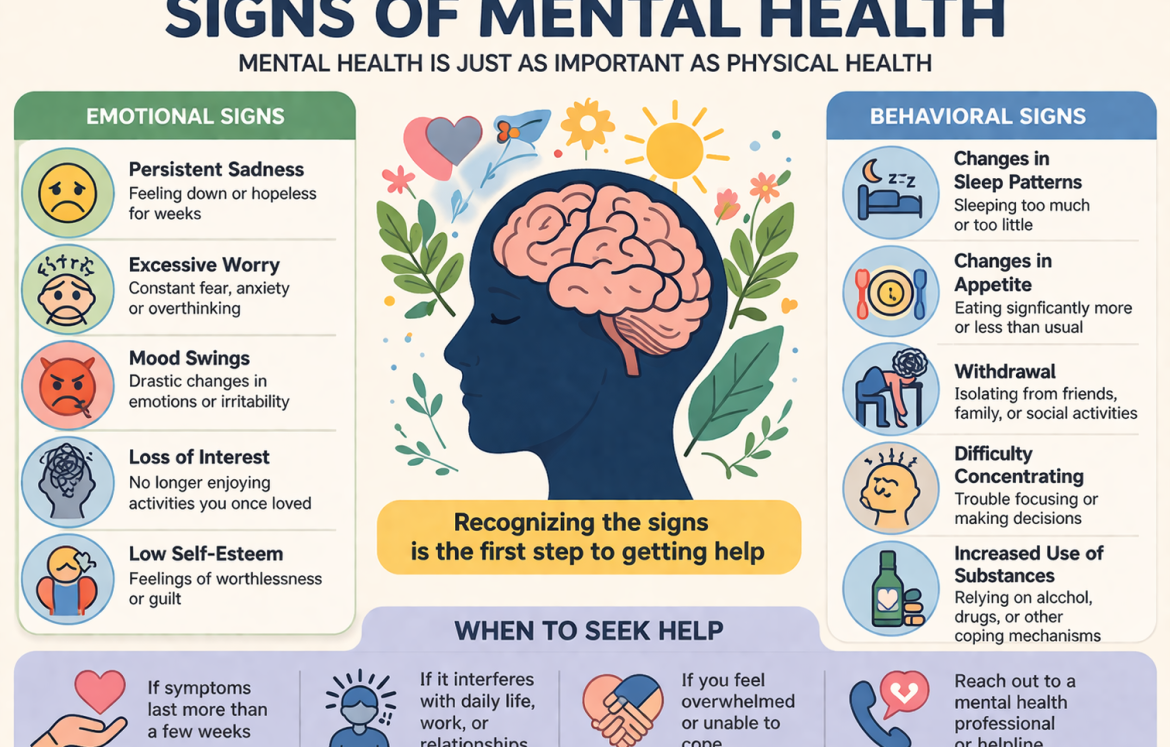
Mental illness is more common than many of us realize. It’s not something that only happens to other people, it can affect anyone, from your best friend to a family member, a coworker, or even you. But recognizing the signs of mental illness isn’t always straightforward. Sometimes the signs are subtle, blending into everyday stress or quirks of personality. Other times, the signs show up immediately and are impossible to ignore.
So let’s explore the signs of mental illness, what they might look like in real life, and how to approach them with compassion and understanding. Whether you’re worried about yourself or someone you care about, this guide will help you navigate the complexities of mental health with clarity.
Before we dive into the signs, let’s get clear on what mental illness actually is. Mental illness refers to a wide range of conditions that affect how a person thinks, feels, behaves, or relates to others. These conditions can disrupt daily life, relationships, and overall well-being. Some common examples include depression, anxiety disorders, bipolar disorder, schizophrenia, and post-traumatic stress disorder (PTSD).
Mental illness can range from mild, where someone might struggle but still function, to severe, where daily life becomes incredibly challenging. The good news? Many mental health conditions are manageable with the right support, whether that’s therapy, medication, lifestyle changes, or a combination of these.
But here’s the tricky part, mental illness doesn’t always announce itself. Unlike a broken arm or a fever, the signs can be hard to spot, especially if you’re not sure what to look for.
Let’s break down some of the most common signs, to make them easier to understand.
Emotional Signs: Usually happens when Feelings Become Overwhelming
One of the first places mental illness shows up is in a person’s emotions. Our feelings are a big part of who we are, but when they start to get out of control or unusually intense, it might be a sign something’s off.
- Persistent Sadness or Hopelessness
Everyone feels down sometimes, maybe after a tough day at work or a fight with a friend. But if someone feels sad, empty, or hopeless most of the time, for weeks or even months, it could be a sign of depression. This is a heavy weight that cannot just be lifted even when good things happen.
For example, imagine your friend Sarah, who used to love going out for coffee and cracking jokes, now seems withdrawn. She might say things like, what’s the point? ” or “I just don’t care anymore. She might cry for no apparent reason or seem numb, like she’s going through the motions. These are red flags that her emotional world is struggling.
- Extreme Mood Swings
Mood swings happen to all of us, but extreme or unpredictable shifts in mood can point to something deeper, like bipolar disorder. Someone might go from feeling on top of the world, full of energy, talking fast, and making big plans to crashing into a dark place where they can barely get out of bed. These shifts can happen over days, weeks, or even hours, and they’re often more intense than typical ups and downs.
Someone can be super excited about starting a new business and seems almost too energized, barely sleeping. Then, a week later, he/she is withdrawn, irritable, and doesn’t want to talk. If this pattern repeats, it’s worth paying attention to.
- Overwhelming Anxiety or Fear
Anxiety is a normal part of life, we all get nervous before a big presentation or a first date. But when anxiety feels constant, uncontrollable, or tied to things that don’t seem to warrant it, it could signal an anxiety disorder. This might look like someone who’s always on edge, worrying excessively about everyday things, or having panic attacks (sudden waves of intense fear, often with physical symptoms like a racing heart or shortness of breath).
- Feeling Detached or Numb
Sometimes, mental illness shows up as a lack of emotion. Someone might describe feeling numb or disconnected from the world, like they’re watching their life from the outside. This can be a sign of depression, PTSD, or even dissociation, where someone feels detached from their own body or reality.
5. Behavioral Signs
Mental illness doesn’t just affect how someone feels, it can change how they act. These behavioral changes can be some of the most noticeable signs, especially to friends and family.
6. Withdrawing from Social Connections
If someone starts pulling away from friends, family, or activities they used to love, it’s often a sign something’s wrong. This is called social withdrawal, and it’s common in conditions like depression or social anxiety. It’s not just about being introverted, it’s a noticeable shift from their usual behavior.
7. Changes in Sleep or Appetite
Mental illness often messes with basic functions like sleep and eating. Someone might sleep way more than usual (like staying in bed all day) or barely sleep at all (insomnia). Similarly, they might lose their appetite and skip meals, or turn to food for comfort and start to overeat.
8. Risky or Impulsive Behavior
Some mental illnesses, like bipolar disorder or borderline personality disorder, can lead to impulsive or risky actions. This might include reckless spending, substance abuse, unsafe sex, or even self-harm. These behaviors often come from a need to cope with intense emotions or to feel something when life feels empty.
9. Always Getting Angry or Irritated
Mental illness can make someone seem like a different person, especially if they’re suddenly short tempered or lashing out. This is common in depression, anxiety, or even early stages of psychosis. It’s not that they’ve become mean, their brain might be struggling to regulate emotions. Mental illness doesn’t just affect emotions and behavior, it can change how someone thinks, processes information, or perceives the world.
10. Having Trouble Concentrating or Remembering Things
If someone struggles to focus, make decisions, or remember things, it could be a sign of mental illness. Depression and anxiety, for example, can make it hard to concentrate on work or even follow a conversation. More severe conditions, like schizophrenia, might cause confusion or memory gaps.
11. Intrusive or Negative Thoughts
Intrusive thoughts, unwanted, distressing thoughts that pop up out of nowhere, can be a sign of conditions like obsessive compulsive disorder (OCD), PTSD, or anxiety. These might be fears of harm coming to oneself or others, or repetitive thoughts that won’t go away. Negative thoughts, like believing “I’m worthless” or “Everyone hates me,” are also common in depression.
12. Paranoia or Delusions
In more severe cases, like schizophrenia or severe bipolar disorder, someone might experience paranoia (believing others are out to get them) or delusions (false beliefs, like thinking they’re being watched by the government). These signs are often harder to spot because the person might genuinely believe their thoughts are real. Mental illness doesn’t just stay in the mind, it can show up in the body, too. These physical symptoms are often overlooked but can be key clues.
13. Unexplained Aches and Pains
Chronic headaches, stomach aches, or muscle pain with no clear medical cause can sometimes be linked to mental health issues like depression or anxiety. The mind and body are deeply connected, and stress can manifest physically.
14. Always Feeling Tired
Feeling tired all the time, even after a full night’s sleep, is a common sign of mental illness, especially depression. It’s not just physical tiredness, it’s a deep exhaustion that makes even small tasks feel overwhelming.
15. Physical Symptoms of Panic
Panic attacks, which are common in anxiety disorders, can feel intensely physical. Someone might experience a racing heart, sweating, trembling, or feeling like they can’t breathe. These symptoms can be so severe that people sometimes mistake them for a heart attack.
16. Struggling with Relationships
If someone’s having trouble maintaining relationships, whether it’s constant arguments, pulling away, or feeling misunderstood, it could be a sign of mental illness. Conditions like borderline personality disorder or depression can make it hard to connect with others in a healthy way. So mental illness often impacts how someone interacts with others, which can strain relationships or create distance.
17. Avoiding Responsibilities
Mental illness can make it hard to keep up with work, school, or family responsibilities. Someone might miss deadlines, neglect chores, or stop caring about things they used to prioritize.
When to Seek Help: Recognizing the Tipping Point
So, how do you know when these signs are serious enough to warrant help? Here are a few guidelines:
If symptoms last for weeks or months and don’t seem to improve, it’s time to pay attention anf if the signs are severe enough to disrupt daily life, like missing work, avoiding friends, or feeling unable to cope, it’s a red flag.
A single sign might not mean much, but multiple signs together (like sadness, withdrawal, and trouble sleeping) are more concerning.
If you’re noticing these signs in yourself, it’s okay to reach out for help. Talk to a trusted friend, family member, or a professional like a therapist or doctor. If you’re worried about someone else, approach them with care, try saying something like, “I’ve noticed you seem really stressed lately. Want to talk about it?” Avoid judgment and focus on listening.
Why These Signs Matter
One of the biggest barriers to addressing mental illness is stigma. Too many people feel ashamed or afraid to admit they’re struggling, worried they’ll be seen as weak or broken. But mental illness is just as real as physical illness, it’s not a character flaw or something to snap out of. Recognizing the signs is the first step to getting help, and it starts with open, honest conversations. Think about it like this, if your friend had a persistent cough, you’d encourage them to see a doctor. Mental health deserves the same care. By learning to spot the signs, you’re not just helping yourself or someone else, you’re helping break down the walls that keep people from seeking support.
What Can You Do? Practical Steps to Take
If you or someone you know is showing signs of mental illness, you can help by starting a conversation. If you’re concerned about someone, gently ask how they’re doing. If it’s you, try journaling or talking to someone you trust to sort through your feelings.
Seek Professional Help. A therapist, counselor, or psychiatrist can provide expert guidance. If you’re not sure where to start, try your primary care doctor or a helpline.
Also Explore Resources. Some websites and Institutes offer tons of information on mental health conditions and how to find help.
Practice Self-Care. For yourself or someone else, small steps like eating well, getting enough sleep, and staying active can make a big difference. Encourage routines that promote balance, like mindfulness or spending time outdoors.
Be Patient. Recovery takes time, and it’s not always a straight line. Whether it’s you or someone else, offer support without pushing too hard.
Mental Health in Today’s World
Mental illness is shaped by the world around us. Some factors like financial pressures, social media overload, or global events (like pandemics or economic uncertainty) can make mental health worse.
At the same time, access to mental health care is improving in some ways. Teletherapy, for instance, has made it easier for people to connect with therapists from home. But barriers like cost, stigma, and lack of access in rural areas still exist. Recognizing the signs of mental illness is a crucial first step, but it’s just as important to advocate for better mental health resources in our communities.
If you’ve made it this far, you’ve got a solid understanding of the signs of mental illness and why they matter. Whether it’s persistent sadness, changes in behavior, or physical symptoms that don’t add up, these signs are your mind’s way of calling for help. And that’s okay, asking for help is a sign of strength, not weakness.
If you’re seeing these signs in yourself, take it one step at a time. Reach out to someone you trust or look into professional support. If you’re worried about someone else, approach them with kindness and patience. Mental health is a journey, and recognizing the signs is the first step toward healing.